


Blogs
How Law Enforcement Officers Cope with Grief

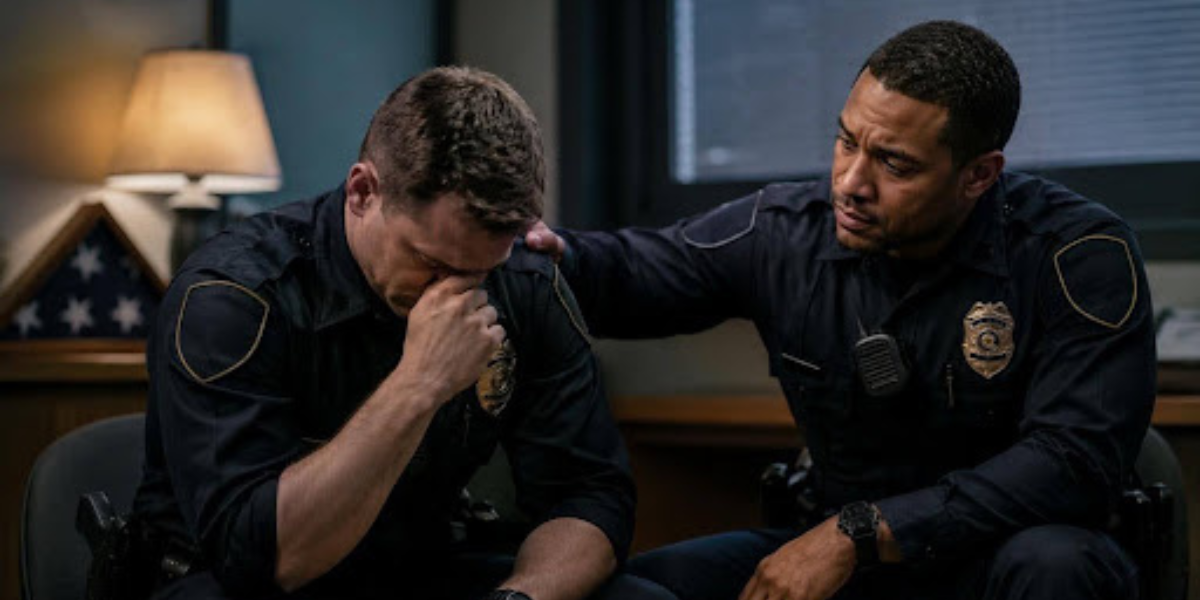
Grief is often discussed as a private experience, but for police officers, loss can become part of the job. Officers may mourn a fallen colleague, a victim they tried to save, a child involved in a case, or the cumulative weight of repeated exposure to tragedy. Police grief can be complex because officers are expected to remain composed, alert, and ready to respond even when they are emotionally affected.
Understanding how law enforcement officers cope with grief helps reduce stigma and encourages healthier support within departments, families, and communities.
Why Police Grief Can Be Different
Police officers regularly witness events that most people rarely encounter. Fatal collisions, violent crimes, suicides, serious injuries, and unexpected deaths can leave lasting emotional effects. While officers are trained to manage emergencies, training does not remove the human response to loss.
Some officers may feel pressure to hide sadness or vulnerability. Police culture often values control, strength, and reliability, which can make it difficult to admit emotional pain. An officer may worry that discussing grief will affect how colleagues view their competence.
This can make police grief harder to recognize. It may appear as irritability, emotional distance, poor sleep, difficulty concentrating, or a loss of interest in normal activities. Some officers may throw themselves into work, while others withdraw from colleagues or family members.
Peer Support Can Reduce Isolation
Many officers feel most comfortable speaking with someone who understands police work. Peer support programs connect officers with trained colleagues who can listen without judgment and recognize signs of emotional distress.
These conversations can be especially helpful after the death of a fellow officer or a disturbing incident. A peer may understand the frustration, guilt, anger, or helplessness that can follow a loss.
Informal support also matters. Checking in after a difficult call, making time for conversation, or simply sitting with a grieving colleague can reduce isolation. Officers do not always need immediate advice. Sometimes, they need permission to speak honestly.
Professional Counseling Offers a Private Space
Mental health professionals who understand law enforcement culture can help officers process loss without feeling misunderstood. Counseling may provide practical methods for managing intrusive memories, anxiety, anger, sadness, or survivor’s guilt.
Confidentiality is often a major concern. Officers may fear professional consequences if they seek support. Departments can address this by clearly explaining available services and creating policies that encourage early intervention.
Counseling does not mean an officer is unable to perform the job. It can help prevent grief from becoming more disruptive over time. Seeking help is a responsible step, especially when emotional pain begins affecting work, sleep, health, or relationships.
Rituals Help Officers Honor the Loss
Police departments have strong traditions surrounding death and remembrance. Memorial services, honor guards, badge ceremonies, moments of silence, and anniversary gatherings give officers a structured way to acknowledge loss.
These rituals can be particularly meaningful after an officer dies in the line of duty. They provide a shared space for grief while honoring service, sacrifice, and professional identity.
Personal rituals may also help. Some officers visit memorials, write letters, wear commemorative items, or support the family of a fallen colleague. These actions allow grief to be expressed in a way that feels purposeful.
Family and Community Support Matter
The effects of police grief often extend beyond the officer. Family members may notice changes in mood, communication, sleep, or behavior before the officer recognizes them.
Supportive families can help by listening without demanding details that an officer is not ready to share. Encouraging rest, routine, and professional support may be more effective than telling someone to move on.
Community support can also help officers feel less alone. Public memorials, messages of sympathy, and respectful recognition can remind grieving officers that their service and loss are acknowledged.
Healthy Routines Support Recovery
Grief cannot be solved through exercise, sleep, or time off, but healthy routines can support emotional recovery. Physical activity may help release tension, while regular sleep and balanced meals can improve concentration and emotional regulation.
Officers may also benefit from hobbies, spiritual practices, time outdoors, or meaningful time with family. These activities create space outside police work and help restore a sense of balance.
Alcohol or excessive work may provide temporary distraction, but they can delay healthy processing. Departments should encourage coping methods that protect both the officer and the people around them.
Creating a Healthier Police Culture
Law enforcement agencies play an important role in how officers manage loss. Leaders can reduce stigma by speaking openly about grief, promoting confidential resources, and training supervisors to recognize warning signs.
A healthy department does not treat emotional pain as weakness. It understands that repeated exposure to trauma can affect anyone.
Police grief deserves the same serious attention as physical injury. Officers who receive timely support are better positioned to protect their health, maintain relationships, and continue serving their communities with sound judgment and empathy.
Grief may remain part of an officer’s story, but it does not have to be carried alone.